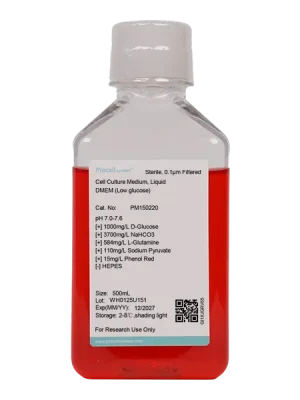
Mycoplasmas are a class of minimal prokaryotic microorganisms that lack a cell wall, exhibit remarkable pleomorphism, possess the capability to traverse bacterial filters, and are capable of proliferating in artificial culture media. Their distinctive ability to form filamentous and branching structures earns them the designation of mycoplasmas.
In cell culture, mycoplasma contamination is a prevalent and often underestimated issue. Infected cells may show morphological as well as functional changes, such as decreased or shut down proliferation or diminished production of cellular metabolites. In addition, an infection may occur unnoticed, resulting in undesired deviations of cellular function. Therefore, a frequent examination for possible contamination with mycoplasma and an effective treatment are essential for a successful work with cell cultures.
The main sources of mycoplasma contamination in cell culture include:
1)Cross-contamination between cells.
2)Contamination from the oral and skin of cell culture operators.
3)Contamination from the working environment or experimental equipment.
4)Poor aseptic techniques by experimenters.
5)Introduction of contamination from components used in cell culture, such as serum, culture media, etc..
6)Contamination from the original tissues or organs used for cell preparation.
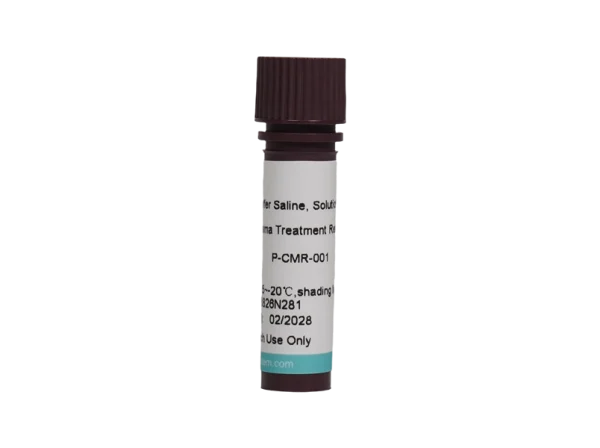
Anti-Mycoplasma Treatment Reagent (500 × ) is a mixed solution developed by the Procell research team. It comprises specialized components that efficiently combat mycoplasmas by inhibiting their DNA replication and the synthesis of vital proteins essential for growth, ultimately resulting in their effective eradication.